
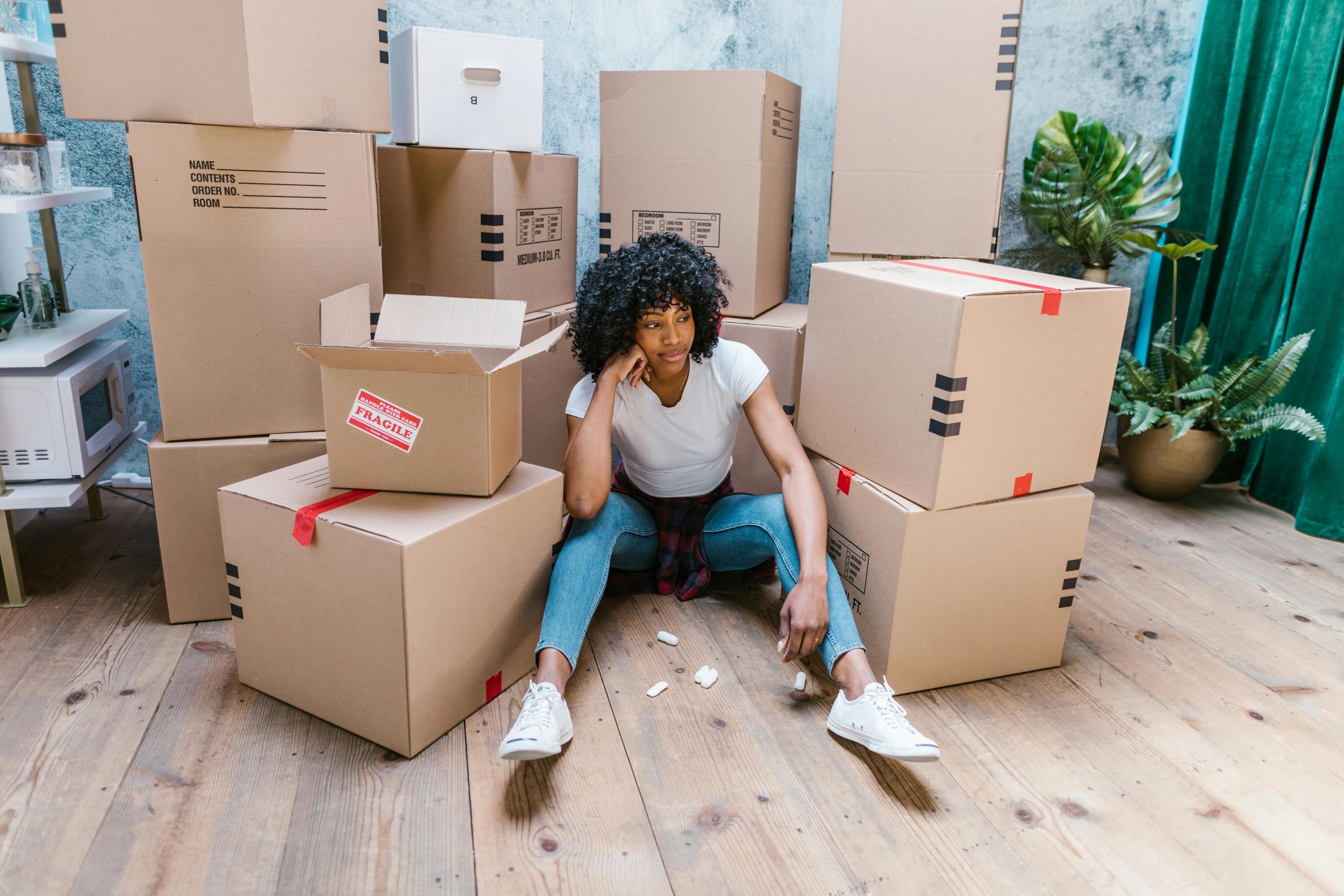

Moving can get expensive fast, especially when you combine packing supplies, transportation, deposits, and all the little costs that add up along the way. Whether you’re relocating across town or to a new state, it’s easy to underestimate how much you’ll actually spend.
Thankfully, there are simple, practical ways to cut costs without making the process more stressful. With a little planning and smart decision-making, you can keep your move efficient and budget-friendly. The key is to stay mindful of where your money is going and avoid unnecessary expenses at every stage. From packing up your current space to settling into your new one, here’s how to save money every step of the way.

Plan Ahead to Avoid Last-Minute Costs
One of the biggest drivers of moving expenses is poor timing. Waiting until the last minute often forces you into paying higher prices for supplies, movers, or travel arrangements. Planning ahead gives you more options and helps you avoid rushed decisions that cost more than they should. Even a few weeks of extra preparation can make a noticeable difference in your total expenses.
– Book moving trucks or services early to lock in lower rates
– Schedule your move during off-peak times (weekdays or mid-month)
– Create a moving checklist to avoid buying duplicate or unnecessary supplies
– Compare quotes from multiple providers, but also read reviews. Sometimes the cheapest option isn’t the best
– Take advantage of free planning tools. Many moving companies offer free online checklists and planning guides

Save on Packing Supplies
Packing supplies are one of the most overlooked expenses, but they can add up quickly if you’re buying everything new. Luckily, there are ways to source what you need for little to no cost. Platforms like Facebook Marketplace and local “Buy Nothing” groups are great for finding free boxes and packing materials from people who have moved recently. If you’re willing to ask around, you’ll find you can pack efficiently without spending a ton on boxes and materials.
– Use free boxes you can pick up from grocery stores, liquor stores, or online marketplaces
– Substitute household items (towels, blankets, clothing) to protect breakable items
– Utilize luggage, laundry bins, and storage containers you already own
– Save and reuse boxes from recent deliveries
– Buy only the essential supplies you need instead of full moving kits

Declutter Before You Move
The more you move, the more you pay—it’s that simple. Reducing the number of items you bring with you can significantly lower your moving costs. Decluttering also makes unpacking easier and helps you start fresh in your new space.
– Sell unwanted items through online marketplaces or garage sales
– Donate gently used items to local charities or gift them to friends
– Recycle or discard all the clutter and “junk” you no longer use or need
– Be realistic about what’s worth the cost of moving versus replacing later

Choose the Option that’s Best for You
There’s no one-size-fits-all solution when it comes to moving. The right choice depends on your situation, distance, and how much help you need. Renting a truck and acting as your own mover is often one of the cheapest options, especially for local moves. While it requires more effort, it costs less than full-service movers and gives you more control over timing and logistics. Take the time to evaluate all your options so you can find the best balance between cost, convenience, and effort.
– Compare DIY moving (renting a truck) vs. hiring full-service movers
– Online tools from companies like U-Haul can help estimate truck size, mileage, and total cost
– Services like PODS offer a hybrid option where you pack at your own pace. When you’re ready, the company handles transportation
– Ask friends or family for help instead of paying labor costs (even if you treat everyone to pizza afterward, it will be cheaper!)
– Keep in mind hidden costs like insurance and equipment rentals
– Always read the fine print on moving contracts or rental agreements

Save Money on Travel and Transportation
If you are moving long-distance and DYI, planning your route and timing carefully can help you cut down on fuel, lodging, and other travel-related costs. Small adjustments can make a big difference when you’re covering a lot of ground.
– Map out your route in advance, avoiding expensive toll roads
– Book hotels early or use rewards points if available
– Pack snacks and meals instead of relying on expensive takeout

Reduce Costs When Settling Into Your New Space
It’s easy to keep spending once you arrive, especially if your new place feels like it needs everything at once. Taking a more gradual approach can help you avoid unnecessary purchases and stay within budget. Focus on essentials first, then add items over time as needed.
– When possible, hold off on buying new furniture and décor until you’ve lived in the space
– Transfer or set up utilities early to avoid rush fees or service gaps
– Time your shopping around big sale periods, like 3-day weekends
– Look for local deals and discounts, or check community groups for free items
– Shop secondhand for select items instead of buying everything new


Leave a Reply
You must be logged in to post a comment.