
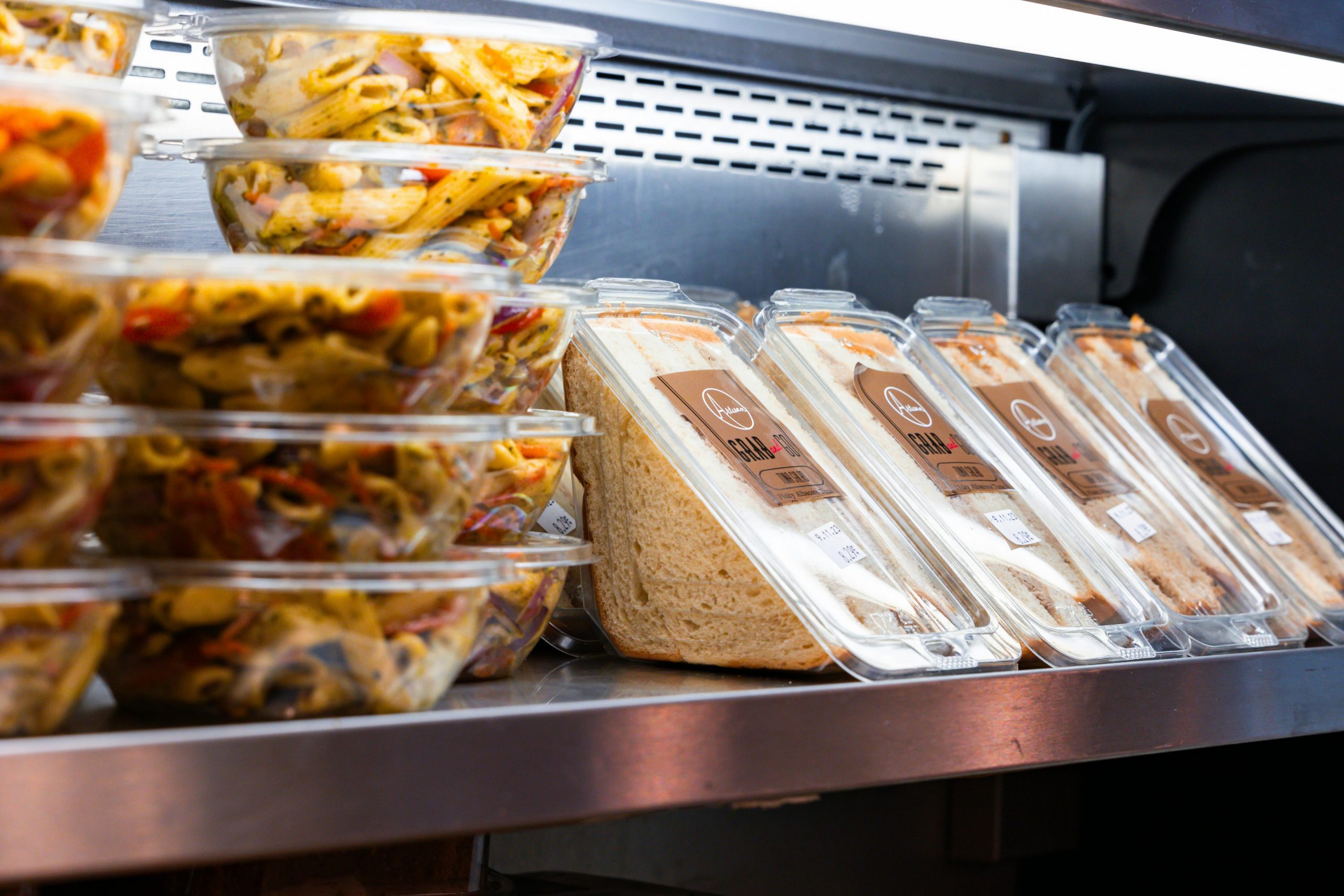

Convenience spending is one of the easiest ways to lose track of your money without even realizing it. It often occurs due to everyday decisions—ordering takeout instead of cooking, paying for faster shipping, or grabbing something last-minute because it’s easier than planning ahead. None of these choices feel significant on their own, but they can slowly but surely eat into your budget.
Paying for convenience isn’t inherently bad. After all, it can save time and reduce stress! The goal isn’t to eliminate convenience spending altogether, but to use it strategically instead of automatically. By becoming more aware of potential pitfalls and making a few practical adjustments, you can maintain ease while cutting unnecessary costs.

Recognize Where Convenience Spending Shows Up
The first step in cutting back is recognizing where the traps are. Convenience spending tends to hide in plain sight because it’s often tied to small routine habits rather than big purchases. Once you start identifying these patterns, it becomes much easier to decide which ones are worth it and which ones aren’t. Awareness alone can help you make more intentional choices. Do an inventory of your spending in these areas:
– Food delivery, takeout, and pre-prepared meals
– Subscription services you rarely use or forgot about
– Expedited shipping fees for non-urgent purchases
– Impulsive convenience store buys or prepared grocery items
– Last-minute rideshares or paid parking instead of planning ahead

Audit and Trim Your Subscriptions
Subscriptions are among the easiest forms of convenience spending to overlook because they’re automatic. Small monthly charges can add up quickly, and if you’re not actively using the services, you’re wasting your money. Doing a quick audit to determine what you really use can free up money without impacting your day-to-day conveniences at all.
– Cancel any services you haven’t used in the past couple of months
– Rotate subscriptions (e.g., streaming services) instead of keeping several active
– Look for bundled options or discounts if you use multiple services
– Set calendar reminders to review subscriptions every few months

Plan Ahead to Reduce Last-Minute Spending
Some convenience spending happens when you’re unprepared. When you don’t have a plan, the easiest option often turns out to be the most expensive one. Building simple systems into your routine can help you avoid those last-minute decisions without adding stress. A little preparation goes a long way in reducing the need for costly shortcuts.
– Meal plan for the week to avoid defaulting to takeout
– Keep a running grocery list, so you’re not making multiple small trips
– Set reminders for upcoming needs (household items, events, etc.)
– Order delivery essentials in advance instead of paying for rush shipping. Bonus, there may be savings available for subscribing!

Find Lower-Cost “Convenience Alternatives”
Cutting convenience entirely isn’t realistic for most people, but replacing expensive habits with more affordable alternatives is. The idea is to keep the ease factor while reducing the cost. Many convenience-based services have budget-friendly versions if you’re willing to adjust how you use them.
– Choose store pickup instead of delivery to avoid fees and tips
– Batch cook or prep your ingredients to save time during the week
– Combine errands into one trip instead of multiple ones
– Use slower (free) shipping options whenever possible

Be Strategic About When Convenience Is Worth It
Not all convenience spending is a mistake —in some cases, it’s absolutely worth the cost. The key is deciding in advance when convenience makes sense, rather than defaulting to it out of habit. Being intentional helps you spend on convenience where it actually adds value, rather than where it just feels easy in the moment.
– Use delivery services during busy or stressful times
– Pay for added convenience when it saves significant time or prevents burnout
– Determine the things that are truly vital to your weekly routine
– Set a monthly “convenience budget” to keep spending in check

Build Habits That Make the Frugal Option Easier
If the cheaper option always feels harder, it’s much more likely you’ll fall back into convenience spending. The goal is to make the budget-friendly choice just as easy—or at least easier than it used to be. Small habit changes can remove friction and make saving money feel more natural over time.
– Keep easy, ready-to-make meal options on hand for busy days
– Compare products and services you regularly spend money on to lower-cost alternatives
– Set up auto-refills for frequently used items
– Create simple routines for shopping, cooking, and errands


Leave a Reply
You must be logged in to post a comment.