How to Save Money—and the Environment—by Switching to Reusable Everyday Essentials

posted in: Lifestyle, Shopping Tips
Save by Switching to Reusable Essentials
Lifestyle
Shopping

Many everyday items are designed to be thrown away after a single use. Paper towels, disposable water bottles, plastic food storage bags, single-use cleaning products, and other household essentials may seem inexpensive individually, but replacing them repeatedly adds up. Switching to reusable alternatives can be a simple way to reduce household waste and what you spend on daily necessities.

Fortunately, you don’t have to replace everything in your home at once or invest in expensive specialty products to make a difference. Many reusable alternatives are affordable, easy to find, and designed to replace items you purchase regularly. By making a few practical swaps over time, you can rely less on disposable products and save money. Here are some examples of easy, eco-friendly swaps you can start making today.

1
Fortunately, you don’t have to replace everything in your home at once or invest in expensive specialty products to make a difference. Many reusable alternatives are affordable, easy to find, and designed to replace items you purchase regularly. By making a few practical swaps over time, you can rely less on disposable products and save money. Here are some examples of easy, eco-friendly swaps you can start making today.]]>

Reach for Reusable Cleaning Cloths

Paper towels are convenient, but they’re also wasteful. Switching to reusable cloths for drying your hands, wiping counters, and absorbing everyday spills, can significantly reduce the need for single-use paper towels. The goal is to reserve disposable paper products for situations where they’re genuinely useful rather than reaching for them automatically.

– Keep a basket or drawer of washable cloths somewhere convenient so you can access them easily. Get into the habit of washing them with your regular laundry.

– Repurpose old towels, T-shirts, or other absorbent fabrics as cleaning rags.

– Use paper towels selectively.

Paper towels are convenient, but they’re also wasteful. Switching to reusable cloths for drying your hands, wiping counters, and absorbing everyday spills, can significantly reduce the need for single-use paper towels. The goal is to reserve disposable paper products for situations where they’re genuinely useful rather than reaching for them automatically.

– Keep a basket or drawer of washable cloths somewhere convenient so you can access them easily. Get into the habit of washing them with your regular laundry.

– Repurpose old towels, T-shirts, or other absorbent fabrics as cleaning rags.

– Use paper towels selectively.

]]>
1

Ditch the Disposable Water Bottles

Buying bottled water regularly while traveling, commuting, or for your kids’ backpacks is an unnecessary recurring expense.

A reusable water bottle provides an eco-friendly way to stay hydrated throughout the day.

– Look for affordable and dishwasher-safe options at grocery stores, department stores, home retailers, or online.

– Keep a reusable bottle at home, at work, and in your car, so you always have one available.

– Wash your bottles regularly so they’re always clean and ready to use.

– Fill your reusable bottle in the evening and store it in the fridge to grab as you start your day.

Buying bottled water regularly while traveling, commuting, or for your kids’ backpacks is an unnecessary recurring expense.

A reusable water bottle provides an eco-friendly way to stay hydrated throughout the day.

– Look for affordable and dishwasher-safe options at grocery stores, department stores, home retailers, or online.

– Keep a reusable bottle at home, at work, and in your car, so you always have one available.

– Wash your bottles regularly so they’re always clean and ready to use.

– Fill your reusable bottle in the evening and store it in the fridge to grab as you start your day.

]]>
1

Try Reusable Food Storage Options Instead of Single-Use

Baggies, aluminum foil, and plastic wraps are useful, but buying box after box can be wasteful and costly over time. Reusable food storage containers can handle many of the same jobs while also helping you organize leftovers and meal-prep ingredients. You don’t need a perfectly coordinated collection of containers. Mixing and matching containers you already own—or repurposing suitable household containers—can be an easy way to reduce waste without spending much money.

– Use washable containers for leftovers, packed lunches, and meal preparation.

– Repurpose glass jars or other appropriate food-safe containers for storage.

– Look for affordable sets and washable zipper bags at kitchen, home, grocery, and department stores when you need to add to your collection.

Baggies, aluminum foil, and plastic wraps are useful, but buying box after box can be wasteful and costly over time. Reusable food storage containers can handle many of the same jobs while also helping you organize leftovers and meal-prep ingredients. You don’t need a perfectly coordinated collection of containers. Mixing and matching containers you already own—or repurposing suitable household containers—can be an easy way to reduce waste without spending much money.

– Use washable containers for leftovers, packed lunches, and meal preparation.

– Repurpose glass jars or other appropriate food-safe containers for storage.

– Look for affordable sets and washable zipper bags at kitchen, home, grocery, and department stores when you need to add to your collection.


FOLLOW US for more budget-friendly tips!]]>
1

Bring Along Your Reusable Shopping Bags

Plastic and paper shopping bags may seem like a harmless convenience, but consistently using disposable bags at checkout creates unnecessary waste. (Plus they can cost money, depending on where you shop!) Keeping reusable bags where you’ll actually remember them can make this swap relatively effortless. The key is convenience—if your reusable bags are stored somewhere that makes them difficult to remember, you’re less likely to use them.

– Keep reusable shopping bags in your car or near the door so they’re easy to grab.

– Use washable produce bags for fruits and vegetables.

– Repurpose sturdy bags and totes you already have rather than buying an entirely new selection.

– Check local grocery stores, supermarkets, and household retailers for inexpensive options if you need additional bags.

Plastic and paper shopping bags may seem like a harmless convenience, but consistently using disposable bags at checkout creates unnecessary waste. (Plus they can cost money, depending on where you shop!) Keeping reusable bags where you’ll actually remember them can make this swap relatively effortless. The key is convenience—if your reusable bags are stored somewhere that makes them difficult to remember, you’re less likely to use them.

– Keep reusable shopping bags in your car or near the door so they’re easy to grab.

– Use washable produce bags for fruits and vegetables.

– Repurpose sturdy bags and totes you already have rather than buying an entirely new selection.

– Check local grocery stores, supermarkets, and household retailers for inexpensive options if you need additional bags. ]]>
1

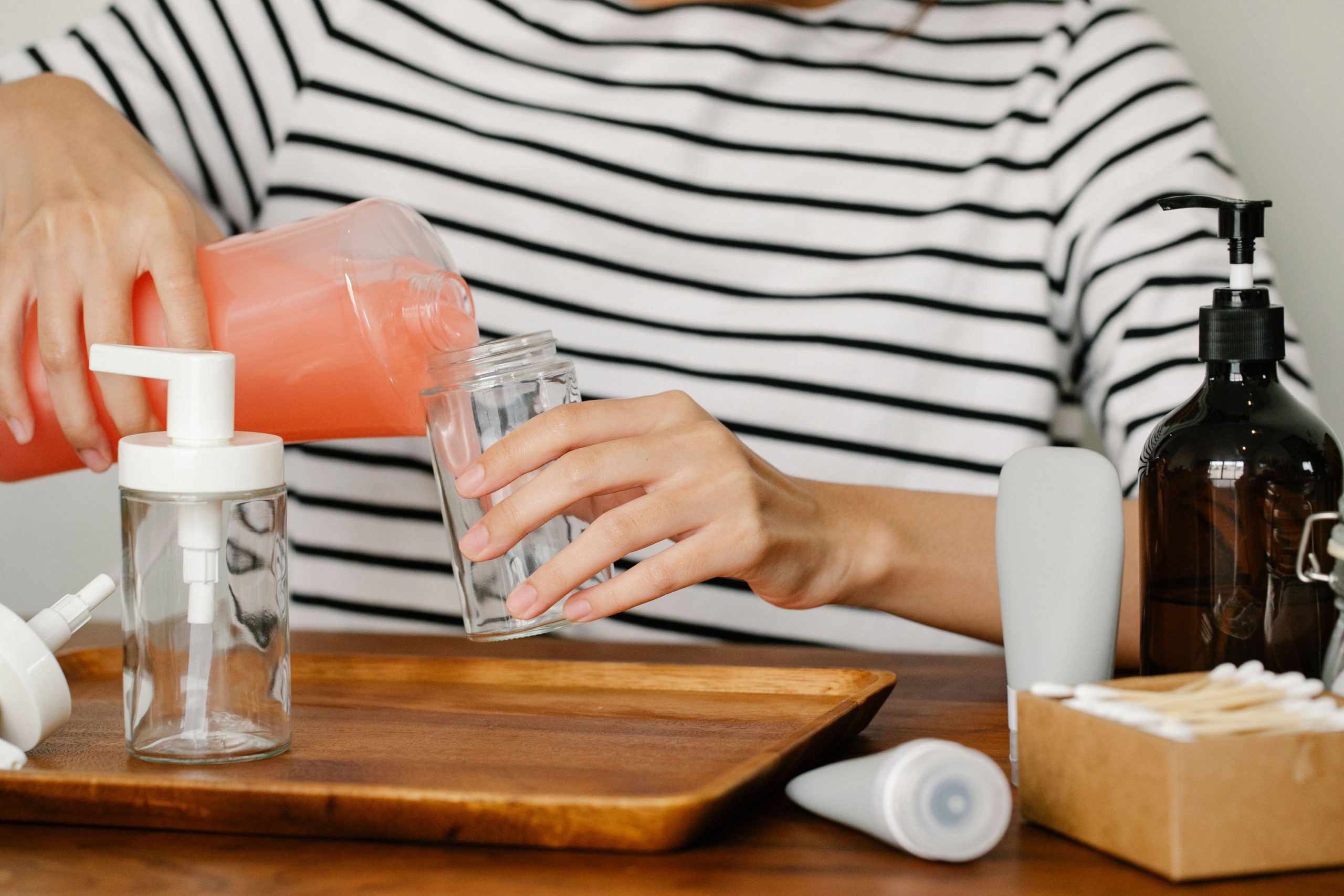
Invest in Refillable Toiletries

The bathroom is another place where single-use packaging and disposable products can quietly add to your household expenses. Shampoo, conditioner, body wash, razors, and other personal-care products are things most people purchase repeatedly, so switching to refillable or reusable alternatives can reduce waste and the number of products you need to buy over time.

Some options may cost more upfront, but can reduce the need to purchase a new container with every replacement. As with any money-saving swap, compare the cost per use or ounce to ensure you’re getting a better deal.

– Try refillable shampoo, conditioner, body wash, and other toiletries to reduce packaging waste and potentially lower the overall cost.

– Buy the large size of refills, which will reduce the cost per ounce.

– Replace disposable plastic razors with a reusable option. While the initial investment may be higher, replacement blades can lower the long-term cost.

– Calculate the cost per use to see which options make sense for your budget and lifestyle.

– Use up what you already have first. Gradually transition as products run out.

The bathroom is another place where single-use packaging and disposable products can quietly add to your household expenses. Shampoo, conditioner, body wash, razors, and other personal-care products are things most people purchase repeatedly, so switching to refillable or reusable alternatives can reduce waste and the number of products you need to buy over time.

Some options may cost more upfront, but can reduce the need to purchase a new container with every replacement. As with any money-saving swap, compare the cost per use or ounce to ensure you’re getting a better deal.

– Try refillable shampoo, conditioner, body wash, and other toiletries to reduce packaging waste and potentially lower the overall cost.

– Buy the large size of refills, which will reduce the cost per ounce.

– Replace disposable plastic razors with a reusable option. While the initial investment may be higher, replacement blades can lower the long-term cost.

– Calculate the cost per use to see which options make sense for your budget and lifestyle.

– Use up what you already have first. Gradually transition as products run out. ]]>
1

It’s Okay to Start Small

You don’t have to replace every single-use product in your home to make a meaningful difference. Trying to change everything at once can lead to unnecessary spending, especially if you buy pricey reusable alternatives before you know what works for your household. Instead, start with products you use often and replace them gradually as your existing supplies run out. This approach makes the transition easier on both your budget and your routine.

– Start with one or two high-use disposable products rather than tackling everything at once.

– Use up what you already own instead of throwing away perfectly good disposable products.

– Calculate how often you buy an item before deciding whether a reusable replacement is worth it.

– Look for affordable reusable options when you’re already shopping for household necessities.

You don’t have to replace every single-use product in your home to make a meaningful difference. Trying to change everything at once can lead to unnecessary spending, especially if you buy pricey reusable alternatives before you know what works for your household. Instead, start with products you use often and replace them gradually as your existing supplies run out. This approach makes the transition easier on both your budget and your routine.

– Start with one or two high-use disposable products rather than tackling everything at once.

– Use up what you already own instead of throwing away perfectly good disposable products.

– Calculate how often you buy an item before deciding whether a reusable replacement is worth it.

– Look for affordable reusable options when you’re already shopping for household necessities.

]]>
1
Follow Trae Bodge:

Smart Shopping Expert

Trae Bodge is an accomplished lifestyle journalist and TV commentator who has specialized in smart shopping, personal finance, and retail for more than a decade. She has appeared on TV over 1,000 times; including Today Show, GMA3, NBC Nightly News, Inside Edition, and network affiliates nationwide. She has been named a Top Voice in Retail by LinkedIn, and her expert commentary has appeared in Forbes, USNews.com, Kiplinger, Yahoo Finance, and numerous others.

Leave a Reply

Your email address will not be published. Required fields are marked *