
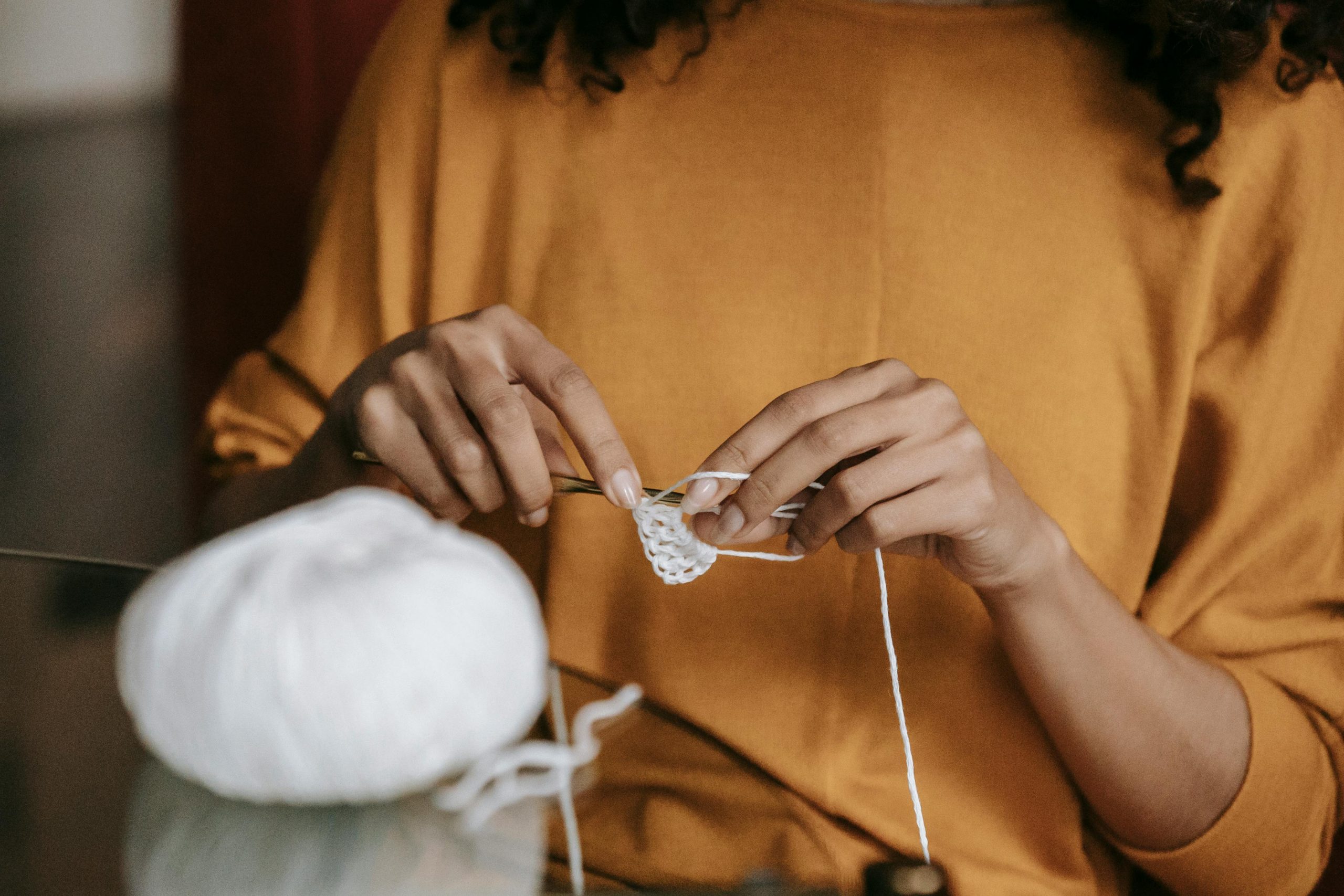

Learning a new hobby or skill can be enriching and rewarding at any age. And luckily, it doesn’t have to come with a hefty price tag. Whether you’re curious about cooking, painting, photography, or something more off the beaten path, there are plenty of ways to start a new hobby without overspending on classes or supplies.
With a little creativity and resourcefulness, you can explore your interests while keeping costs low. The key is knowing where to look, what to hold off on, and how to make the most of what you already have.
Here are our tips for kicking off a new hobby on a budget.

Start Small Before Investing in Supplies
One of the biggest mistakes beginners make is buying everything up front. Many hobbies can be explored with minimal tools, especially when you’re just testing the waters. Starting small allows you to learn the basics, see if you enjoy the activity, and avoid wasting money on gear you don’t need. Once you’re committed, you can slowly upgrade.
– Use what you already have at home (kitchen tools, phone cameras, basic art supplies).
– Borrow equipment from friends or family before purchasing your own.
– Buy beginner kits or entry-level supplies instead of professional-grade items.
– Shop secondhand, clearance sections, or local buy/sell groups for starter gear.

Take Advantage of Free and Low-Cost Online Resources
The internet is full of learning tools that rival pricey classes. From step-by-step tutorials to full skill-building courses, many platforms offer free or budget-friendly options. These resources let you learn at your own pace and revisit lessons as often as you like. For many hobbies, this is an affordable way to build foundational skills.
– Use free platforms like YouTube for tutorials and beginner walkthroughs.
– Explore library-based resources such as LinkedIn Learning or Creativebug (often free with a library card).
– Look for free trials on sites like Skillshare, MasterClass, or Udemy.
– Follow creators on social media who regularly share tips, challenges, and mini-lessons.

Look for Community-Based Learning Opportunities
You can often find hands-on group learning experiences in your community at a fraction of the cost of private classes. Community-based programs are typically designed to be accessible and welcoming to beginners. These options are great for meeting people with similar interests while learning in a supportive environment. They can also help you decide if a hobby is something you want to pursue long-term.
– Check your local community centers, libraries, and parks departments for low-cost workshops.
– Look for adult education or continuing education classes offered through local schools or colleges.
– Attend free demos or intro sessions at local studios, shops, or maker spaces.
– Join hobby clubs or meetups that focus on skill-sharing rather than formal instruction.

Try Before You Commit with Free Trials and Samples
Many platforms and businesses want you to test things out before committing, which can work in your favor. Free trials, sample kits, and other introductory offers allow you to explore without financial pressure. This approach helps you make informed decisions so you can avoid paying for something that isn’t the right fit. It’s especially useful for hobbies that require ongoing instruction or subscriptions.
– Sign up for free trial periods on online learning platforms and cancel if it’s not for you.
– Look for sample-size kits for hobbies like painting, calligraphy, or baking.
– Take advantage of free first-time classes at studios or local workshops.
– Watch for seasonal promotions tied to New Year goals or back-to-school periods.

Build Skills Gradually Instead of Diving in All at Once
Learning a new hobby is a process, not a race. You don’t need to master everything immediately or spend money on every available upgrade. Focusing on gradual improvement helps you spread out costs and stay motivated. Over time, you’ll have a clearer sense of what’s worth investing in and what you can skip.
– Set small, realistic goals instead of enrolling in full programs right away.
– Upgrade tools or supplies only when your current ones limit your progress.
– Learn foundational skills first before pursuing advanced instruction.
– Track what you actually use so future purchases are intentional and worthwhile.


Leave a Reply